Willesden High Road waste clearance guide for shoppers
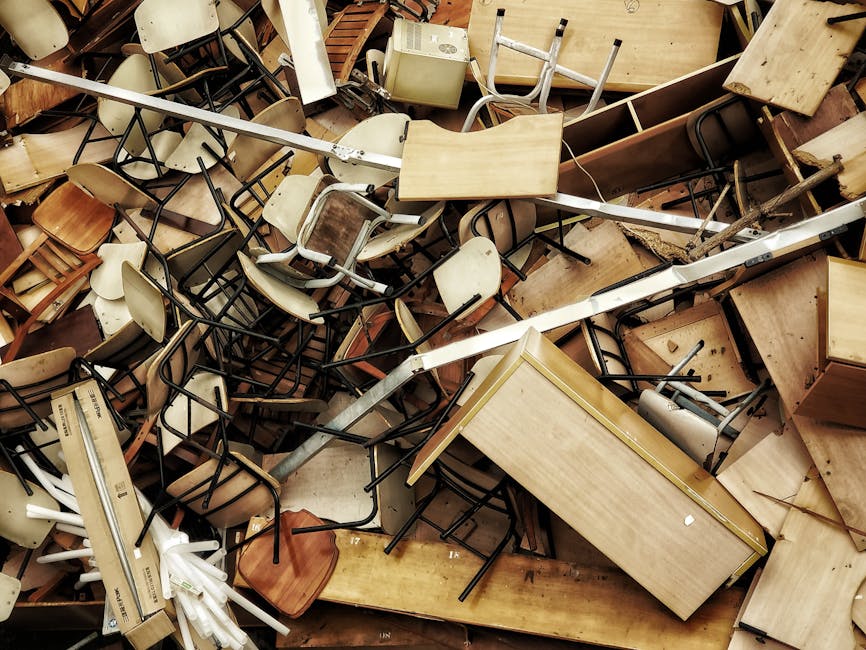
If you shop, browse, or run errands along Willesden High Road, waste can become an awkward part of the day very quickly. A broken package, old packaging from a home purchase, an unwanted chair from a nearby flat, or even a small shop refit can all create clutter that is hard to move, hard to store, and easy to leave until later. This Willesden High Road waste clearance guide for shoppers explains what to do, when to do it, and how to choose the most sensible clearance option without turning a normal day out into a half-finished chore.
In practical terms, the guide is about keeping the road, nearby shops, and your own property tidy while making sure waste is handled properly. That matters whether you are a shopper carrying home a bulky purchase, a business owner dealing with stockroom debris, or a resident trying to clear one stubborn item before the weekend. Let's face it: nobody wants to drag a mattress, a fridge, or a pile of flattened boxes through a busy high street if there is a cleaner, easier route.
Below, you will find a clear walkthrough of how waste clearance works, what choices usually make sense, common mistakes to avoid, and a simple checklist you can actually use. There are also links to useful site pages such as waste removal, furniture disposal, and pricing and quotes where a more specific next step is needed.
- Why this guide matters
- How the process works
- Key benefits and practical advantages
- Who this is for and when it makes sense
- Step-by-step guidance
- Expert tips for better results
- Common mistakes to avoid
- Tools, resources and recommendations
- Law, compliance and best practice
- Options and comparison table
- Case study or real-world example
- Practical checklist
- Conclusion
- Frequently asked questions
Why Willesden High Road waste clearance guide for shoppers Matters
High streets are busy places. On Willesden High Road, that busyness is part of the appeal: regular footfall, frequent deliveries, independent shops, chain stores, cafes, and people moving in and out all day. But busy places create awkward waste problems too. Cardboard piles up. Packaging fills boot space. Old fittings, display stands, damaged stock, and household items bought locally can become a nuisance before you have even got home.
This is where a sensible clearance plan helps. If you know what can be taken away, what needs separate handling, and what method is worth your time, you avoid the classic "I'll sort it later" trap. We all know that trap. It starts with one bag and somehow becomes a hallway that looks like a storage cupboard exploded.
The guide matters for shoppers because shopping trips often mix personal and practical needs. You may be replacing furniture, collecting appliances, moving out of a flat, or clearing out after a sale. In each case, waste is part of the job, not an afterthought. Good clearance planning protects your time, your property, and the look and feel of the street.
It also supports better local tidiness. Shoppers do not usually think of themselves as waste managers, fair enough, but the way waste is handled around a busy road has a visible effect. Keeping items out of pavements, entrances, and back alleys makes the area easier to walk, safer to navigate, and nicer to use.
How Willesden High Road waste clearance guide for shoppers Works
Waste clearance for shoppers usually works in stages. First, you identify the waste type. Then you work out whether it is household, bulky, commercial, electrical, or potentially hazardous. After that, you decide whether it can go with standard waste removal or needs a dedicated service. That order sounds simple, but it saves a lot of time.
For example, a shopper who has bought a sofa may only need furniture clearance. Someone finishing a small shop refit may need builders waste clearance. A local business clearing old stock from a back room may need business waste removal rather than a one-off household collection. The right route depends on what the waste actually is, not just where it came from.
In many cases, the easiest route is a booked collection where items are removed from the property or store, loaded safely, and sorted for disposal or recycling. That can be a big relief when you do not have the space, time, or transport to take things yourself. For mixed clearances, you might combine services such as home clearance, house clearance, or flat clearance depending on the layout and size of the job.
The practical point is this: good clearance is about sorting, not just lifting. If a company knows how to separate usable items, recyclable material, and items that require special handling, you tend to get a smoother result. That is true whether you are dealing with a single bulky item or a full property clear-out.
Key Benefits and Practical Advantages
A proper clearance plan gives you more than a tidy space. It can reduce stress, save time, and prevent avoidable damage. If you have ever tried to move a heavy wardrobe through a narrow doorway on your own, you will know the value of that. Slow, awkward, and mildly heroic? Maybe. Sensible? Not really.
Here are the biggest practical advantages:
- Less disruption: Items are removed in one go rather than sitting around for days.
- Safer movement: You reduce trip hazards in hallways, shop entrances, and loading areas.
- Better sorting: Recyclable materials, appliances, and mixed waste can be handled correctly.
- Cleaner presentation: Useful for shoppers with deliveries, landlords, or shopfronts that need to stay presentable.
- More time back: You do not spend a Saturday making multiple trips to a tip or trying to squeeze a chest of drawers into a hatchback.
There is also a quieter benefit: peace of mind. A lot of people live with clutter for longer than they mean to because the practical steps feel difficult. Once you have a plan, the job becomes manageable. That shift matters.
For furniture-heavy jobs, pairing a clearance plan with furniture clearance or mattress and sofa disposal can save time and avoid guesswork. If you are dealing with white goods, fridge and appliance removal is often the more sensible route, especially where lifting and handling need a bit more care.
Who This Is For and When It Makes Sense
This guide is useful for a fairly wide group of people. You do not need to be planning a full renovation to need waste clearance. In fact, a lot of the calls come from much smaller situations.
- Shoppers buying bulky items: furniture, mattresses, appliances, or garden items that need the old item removed.
- Residents near the high road: people who want a quick, tidy solution after a move, spring clean, or flat refresh.
- Shop owners and managers: businesses with packaging waste, old display stock, or storage area clutter.
- Landlords and agents: when a property near the high street needs clearing between tenancies.
- Trades and refurb teams: anyone generating light builders waste or mixed rubbish during a small project.
It makes sense to book clearance when waste is too large, too heavy, or too mixed to deal with casually. It also makes sense when the job affects customer access, hallway safety, or stockroom space. A few bags of cardboard might be handled internally. A broken wardrobe, not so much.
For business-specific situations, business waste removal and office clearance are often more suitable than a general domestic approach. The same is true for storage-heavy areas like garages and lofts, where a build-up tends to happen slowly and then all at once. Funny how that works.
Step-by-Step Guidance
If you want the job to go smoothly, keep the process simple and methodical. The best clearances usually feel almost boring from the outside because everything has been planned properly. That is a good thing.
- List what needs to go. Separate bulky items, bags, packaging, electricals, and anything potentially hazardous.
- Check access. Note staircases, narrow hallways, parking limits, or loading restrictions around Willesden High Road.
- Decide what type of clearance you need. Household, flat, office, garden, garage, loft, or builders waste.
- Keep salvageable items apart. If something can be reused or donated, do not mix it in with general waste.
- Get a clear price or quote process. Use pricing and quotes so you understand what is covered.
- Prepare the items. Empty drawers, remove loose contents, and make access easier where possible.
- Confirm special handling. Appliances, confidential papers, and hazardous materials should be flagged early.
- Book a time that suits the street. Early in the day can be easier in busy shopping areas, though timing depends on your own schedule and access.
- Walk the area once more before collection. It sounds minor, but people miss things all the time: a box behind the door, a cable, a shelf bracket, the one item in the corner everyone forgot.
If you are unsure whether an item belongs with standard waste or needs separate treatment, pause and check before it is loaded. That one minute of attention can save a messy follow-up later.
Expert Tips for Better Results
Over time, a few patterns become obvious. First, the clearest jobs are the ones where the customer has thought about access, not just the waste itself. Second, mixed waste always takes longer to deal with than a neatly separated pile. Third, people tend to underestimate how much packaging comes with a single furniture purchase. It arrives folded, taped, wrapped, strapped, and somehow still takes up half the room.
A few practical tips make a real difference:
- Group waste by type before collection. It speeds up handling and reduces confusion.
- Measure awkward items. A quick width and height check can prevent access problems.
- Keep walkways clear. This is especially helpful in flats, terraces, and shop basements.
- Be honest about the volume. Underestimating waste usually causes delays.
- Ask about recycling handling. You may want items diverted from disposal where possible, and that is fair enough.
Where the job includes old cabinets, display units, or broken seating, it can help to look at furniture disposal rather than assuming everything goes the same way. If you are dealing with a one-off heavy item, such as a sofa or mattress, separate planning often pays off.
One more thing: if you are working around customers or foot traffic, keep the collection area tidy while the team is on site. It sounds obvious, but the difference between "managed" and "messy" can be a couple of stray boxes and a bit of tape on the floor.
Common Mistakes to Avoid
Most clearance problems are not dramatic. They are small planning errors that snowball. The good news is that they are avoidable.
- Leaving items mixed together: electronics, cardboard, furniture, and general rubbish often need different handling.
- Blocking access right up to collection time: if the team cannot reach the items quickly, the job becomes slower for everyone.
- Ignoring special items: appliances, confidential documents, and hazardous waste are not ordinary rubbish.
- Assuming one service fits all: a shop clear-out is not the same as a loft clearance.
- Booking before you have measured larger items: a wardrobe that looks "not too bad" can be very not too bad once you move it.
Another common issue is waiting too long. A small pile of waste can sit harmlessly for a week, then suddenly become a nuisance when deliveries arrive, staff need to pass through, or you have visitors. That is usually the moment people ring up in a hurry.
To avoid last-minute stress, use the simplest possible rule: if the item is heavy, awkward, or hard to classify, deal with it early. Not later. Later has a way of becoming next month.
Tools, Resources and Recommendations
You do not need a box full of specialist kit to organise a clearance, but a few basic tools help a lot. A tape measure, marker labels, sturdy gloves, packing tape, and a couple of strong bags can turn a chaotic job into a manageable one. If you are clearing a shop or storage area, a hand trolley or sack truck can also save your back. Your back will thank you, quietly but sincerely.
Useful service pages to consider, depending on the job, include garage clearance, loft clearance, garden clearance, and builders waste clearance. These are especially handy when the waste sits in a very specific part of the property rather than being scattered everywhere.
For people dealing with a residential reset, home clearance and house clearance are worth reviewing because they cover broader, mixed-item situations. If the job is mostly about one item or a category of item, narrow the service type as much as possible. That usually keeps the process cleaner and simpler.
If your priority is sustainability, look at the company's approach to reuse and recycling. A responsible clearance provider should be able to explain how materials are sorted and where practical recovery happens. The exact detail will vary by load, of course, but a sensible process should always be easy to describe in plain English.
Two additional pages can help with reassurance: recycling and sustainability for the environmental side, and insurance and safety if you want to understand how risk is managed during removal.
Law, Compliance, Standards, or Best Practice
Waste handling in the UK is not something to treat casually. While this guide is not legal advice, a few general principles are worth keeping in mind. Waste should be managed responsibly, kept separate where appropriate, and handled by people who understand the type of material involved. That is especially true for electrical items, sharp materials, and anything that may be classified as hazardous.
In practical terms, good compliance means knowing what you have, being honest about it, and making sure it is transferred for proper processing. Businesses around Willesden High Road should be particularly careful with commercial waste, confidential papers, and stockroom clear-outs. If customer data is involved, services such as confidential shredding can be part of a sensible risk-control plan.
For hazardous or unusual materials, do not guess. If something is chemical, contaminated, or otherwise questionable, it should be treated separately and discussed in advance. The same caution applies to fridges, freezers, and certain appliances because they can involve components that need specific handling. See hazardous waste disposal and fridge and appliance removal for the relevant service categories.
Best practice is usually straightforward: describe the load accurately, separate special items, keep access safe, and choose a provider that is transparent about how waste is processed. That may not sound glamorous. It is, however, the stuff that keeps jobs smooth.
Options, Methods, or Comparison Table
There are several ways shoppers and local businesses can handle waste from Willesden High Road. The right option depends on item size, urgency, volume, and how much lifting you want to do yourself.
| Method | Best for | Advantages | Drawbacks |
|---|---|---|---|
| Self-takeaway | Small, light loads | Simple if you already have transport | Time-consuming, and not ideal for bulky items |
| Skip-based approach | Longer projects with steady waste | Useful for ongoing disposal | Needs space and good planning; some items may be restricted |
| Booked waste clearance | Mixed waste, bulky items, urgent clear-outs | Fast, convenient, and usually hands-off | Needs a clear description of the load |
| Specialist item removal | Appliances, mattresses, sofas, confidential material | Safer handling and more appropriate processing | May require separate planning for different item types |
For many shoppers, booked clearance is the sweet spot because it removes the need to coordinate transport, lifting, and disposal yourself. If you are curious about what can and cannot go into a container-based solution, the page on what can go in a skip is a useful reference point. It is not the answer to everything, but it helps you think through the limits and the practicalities.
Case Study or Real-World Example
Imagine a shopper on Willesden High Road who has just bought a replacement wardrobe and bedside set. The old pieces have to go, the packaging from the new delivery is stacked near the front room, and the hallway is only just wide enough to move through comfortably. Nothing is broken, but the space is tight and the lifting is awkward.
In that situation, the quickest solution is usually to sort the waste into three groups: reusable, recyclable, and general disposal. Cardboard and wrapping are separated first. The old furniture is set aside for collection. Any loose screws, fittings, or accessories are bagged together so they do not vanish into the sofa cushions or end up rattling around on the floor. A straightforward furniture collection then clears the room in one visit.
A similar pattern happens in shops. A small retailer refreshes a display, removes old shelving, and ends up with packaging, damaged items, and a few bulky panels that do not fit in normal bins. Instead of trying to hide everything in the back room for weeks, the team books a service that clears the load in one go. The shop looks better, staff can move freely, and deliveries are no longer working around a pile of junk by the door. Very ordinary problem, really. Very common too.
The practical lesson is simple: once waste starts affecting movement, storage, or appearance, clear it before it starts affecting morale as well.
Practical Checklist
Use this checklist before arranging clearance. It is small, but it catches most of the avoidable issues.
- Identify every item that needs removing.
- Separate furniture, appliances, packaging, and general rubbish.
- Flag anything fragile, sharp, confidential, or hazardous.
- Measure the largest or awkwardest items.
- Check access, parking, and any loading limitations.
- Keep pathways and doorways clear.
- Decide whether you need household, business, or specialist clearance.
- Review payment and security if you want to understand the booking process more comfortably.
- Have a contact number ready in case access changes on the day.
- Make sure the final collection point is easy to reach.
Quick takeaway: the best clearance jobs are the ones where the load is described accurately, the access is prepared, and the waste is separated before anyone arrives. Simple, but effective.
Conclusion
Willesden High Road is lively, practical, and full of movement, which is exactly why waste clearance needs a clear plan. When shopping trips, home upgrades, or small business changes create more rubbish than expected, a measured approach saves time and keeps the day from turning into a hassle. Whether you are dealing with a single bulky item or a mixed load from a property or shop, the important thing is to match the waste to the right solution.
If you remember nothing else, remember this: sort early, measure the awkward items, and choose the clearance route that fits the material rather than forcing everything into one category. That one habit makes a surprisingly big difference. And it is one less thing to worry about, which is no bad thing in a busy part of London.
Get a free quote today and see how much you can save.
For more context about the company behind these services, you may also find about us helpful before you book. If you are ready to move from planning to action, the next step is simple enough, and honestly, a bit of relief usually follows soon after.
Frequently Asked Questions
What does a Willesden High Road waste clearance guide for shoppers actually cover?
It covers the practical steps shoppers, residents, and nearby businesses can use to remove unwanted items, packaging, bulky waste, and special items without creating extra stress. The guide helps you choose the right clearance type and avoid common mistakes.
Do I need waste clearance if I only have one large item?
Yes, if the item is heavy, awkward, or too large to move safely yourself. A single sofa, mattress, fridge, or wardrobe can still justify a dedicated collection, especially if access is tight.
Is furniture clearance different from general waste removal?
Usually, yes. Furniture clearance focuses on bulky items such as sofas, tables, chairs, wardrobes, and beds. General waste removal can cover a broader mix of rubbish, but furniture often needs its own handling approach.
What should shop owners on Willesden High Road do with packaging waste?
Separate cardboard, plastic wrap, and mixed rubbish as early as possible. If the volume is too large for normal bins, a business waste solution is often more efficient than trying to store it on-site for too long.
Can I mix appliances with other household rubbish?
It is better not to. Appliances may need separate handling because of their weight, components, or disposal route. If in doubt, ask about appliance removal before collection day.
How do I know if I need hazardous waste disposal?
If the item is chemical, contaminated, pressurised, sharp in a risky way, or otherwise unusual, treat it cautiously. When you are unsure, it is safer to flag it in advance than to assume it can go with standard waste.
What is the best option for a flat near Willesden High Road?
For many flats, a flat clearance service is the easiest route because it is designed for tighter access, stairs, and mixed domestic loads. It is especially helpful where lifting and carrying are the main headaches.
Can I arrange clearance around my shopping trip?
Yes, and that is often sensible. If you are collecting or buying bulky items locally, it can be efficient to line up disposal on the same day or shortly after, so waste does not sit around at home.
Why does access matter so much?
Access affects how quickly items can be removed, whether lifting is safe, and whether the job can be completed without delays. Narrow stairwells, blocked entrances, and poor parking can all slow things down.
What if I am not sure whether an item can be recycled?
Separate it and ask in advance. A good clearance process should sort recyclable and non-recyclable material where practical. If you are keen to reduce waste, the recycling and sustainability approach is worth checking first.
Is office clearance relevant for small shops and traders?
Often, yes. Small shops sometimes create office-type waste too, such as paper, shelving, old displays, and desk items. If the clearance includes back-office areas or paperwork, office clearance can be the closer match.
How do I choose between a skip and a booked clearance?
Choose a skip if you have space, time, and a steady stream of suitable waste. Choose booked clearance if you want less hassle, have bulky items, or need everything taken away in one visit. If you want to understand the skip side a bit better, the page on what can go in a skip is a useful place to start.