Brent council rules for household rubbish and bulky waste
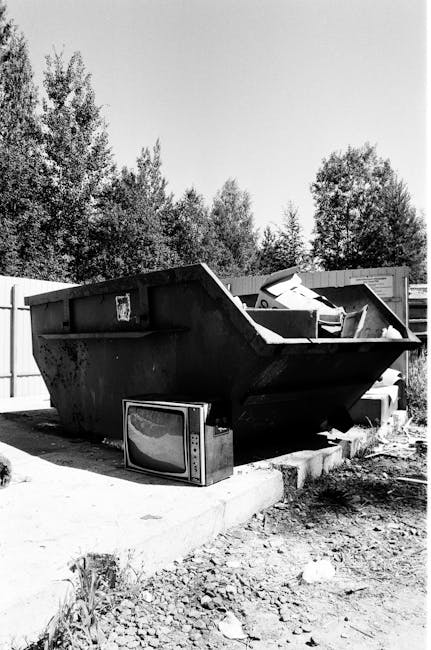
If you live in Brent and you are trying to work out what to do with a broken wardrobe, a bag of mixed rubbish, or that awkward sofa that has been leaning in the hallway for far too long, you are not alone. The rules around household rubbish and bulky waste can feel simple on the surface, then suddenly turn fiddly. What goes in the bin? What counts as bulky? What should never be left out at the kerb? And what happens if you get it wrong?
This guide breaks down Brent council rules for household rubbish and bulky waste in plain English. It is designed to help you avoid mistakes, understand the practical side of disposal, and decide when a council collection, a private clearance, or a different route makes the most sense. If you also want to understand how professional waste services fit around home clear-outs, it may help to look at our waste removal service and the broader home clearance options available for more complex jobs.
Truth be told, most rubbish problems are not about volume. They are about sorting, timing, and knowing what the council will and will not take. That is where a bit of clarity saves you time, money, and a few headaches.
- Why these rules matter
- How household rubbish and bulky waste collection works
- Benefits of following the rules properly
- Who needs this guidance
- Step-by-step guidance
- Expert tips
- Common mistakes to avoid
- Tools, resources and recommendations
- Law, compliance and best practice
- Options and comparison table
- Real-world example
- Practical checklist
- Conclusion
- Frequently asked questions
Why Brent council rules for household rubbish and bulky waste Matters
Brent council rules for household rubbish and bulky waste matter because disposal is not just about getting rid of stuff. It affects collection crews, recycling performance, street cleanliness, safety, and how quickly your waste can actually be taken away. Put simply, the right bag in the right place is easy. The wrong item on the pavement can quickly become a missed collection, a nuisance, or a bigger bill later.
There is also the neighbour factor. Anyone who has lived near a shared bin area knows the scene: one overflowing sack, then another, then a box left next to the bin because it "looks harmless". By Monday morning, the whole spot feels messy and starts attracting complaints. Nobody wants that, and councils tend not to either.
For bulky waste, the stakes are even higher. A mattress, sofa, wardrobe, or fridge is not the same as a black bin bag. These items are harder to lift, sort, and process. Many need separate handling. Some can be recycled or reused, others can't. A clear plan makes the whole job smoother, whether you use a council service or organise a private clearance with a provider such as furniture clearance or, for items that are beyond repair, furniture disposal.
Expert summary: The main thing to remember is this: keep everyday household rubbish contained, keep bulky items separate, and never assume that something large can be left out just because it is "obviously waste". That assumption causes more trouble than people expect.
How Brent council rules for household rubbish and bulky waste Works
In practical terms, Brent's household waste system is built around separation, presentation, and collection type. Standard household rubbish usually means the general waste that goes in your normal bin or approved refuse container. Bulky waste refers to larger items that do not fit in ordinary bins and often need a dedicated collection or special disposal route.
The exact service route can vary depending on the item, the property type, access, and whether the waste is reusable, recyclable, or needs specialist handling. That is why it helps to think in categories rather than just "rubbish". A cracked chair, a broken appliance, a hedge-cutting pile, and a bag of mixed loft clutter all behave differently from a disposal point of view. Annoying, yes. But practical.
Here is the basic rhythm most people deal with:
- Identify the waste type: general rubbish, recycling, bulky waste, garden waste, or specialist waste.
- Check whether it can be reused, repaired, or recycled before throwing it away.
- Make sure it is presented correctly for collection or take it to the proper route.
- Keep hazardous or restricted items out of normal household waste.
- If the load is too large or awkward, arrange a suitable clearance method.
For example, a single mattress left out with general rubbish is usually a poor fit. A sofa with loose cushions, however, may be suitable for a dedicated bulky collection or a specialist sofa disposal route. Likewise, a broken fridge needs different handling from an old bedside table. If you are dealing with appliances, our fridge and appliance removal page explains the practical side of moving heavy white goods safely.
One thing people often overlook is access. If your building has narrow stairs, no lift, basement storage, or a tight front path, the collection method matters just as much as the item itself. A bulky item that is easy to collect from a driveway can become a much more awkward job in a flat on the third floor. Not impossible, just more complicated.
Key Benefits and Practical Advantages
Following the rules properly brings more than just peace of mind. It usually means fewer delays, fewer rejected items, and less risk of wasting time hauling things to the pavement only to bring them back in again. Nobody enjoys that little walk of shame. Absolutely nobody.
- Cleaner collections: Correctly sorted rubbish is more likely to be collected without issue.
- Lower contamination risk: Recycling and general waste stay separate, which helps the right materials go to the right place.
- Better safety: Proper handling reduces trips, sharp edges, and lifting injuries.
- Less disruption: Clear timing and correct presentation reduce clutter outside your home.
- Smoother bulky item disposal: Large items are easier to move when you plan ahead.
There is also a cost angle. If your waste is mixed, badly presented, or includes prohibited items, the cheapest option can quickly stop being the cheapest. Sometimes a straightforward private collection is simply more efficient, especially for awkward jobs like a full room clear-out or a bulky furniture load. If you are comparing that kind of option, it is worth looking at pricing and quotes alongside the task itself.
Another practical advantage is speed. A small amount of planning often means one trip instead of three. That matters if you are clearing before a move, after a tenancy ends, or in the middle of a busy week when the hallway already feels like a storage unit.
Who This Is For and When It Makes Sense
This guidance is useful for just about anyone in Brent who produces household waste, but it is especially relevant if you are managing more than the ordinary week-to-week bin routine.
- Homeowners clearing out garages, sheds, lofts, or spare rooms
- Renters moving out and needing to dispose of unwanted items before handover
- Landlords and agents dealing with left-behind furniture or mixed rubbish
- Families replacing beds, sofas, wardrobes, or appliances
- People with limited access who need help moving items from flats or upper floors
- Anyone with time pressure who needs a practical disposal plan, quickly
It makes sense to think about your options when the waste is too large for normal bins, too heavy to move safely, or too mixed to leave in a neat pile. A common example is a "small" clear-out that turns into six bags, a broken shelving unit, an old mattress, and an appliance. On paper it looks minor. In real life, it is a morning gone.
If the waste comes from a more specific type of project, there may be better-fit options. For example, a post-renovation room can create mixed debris that behaves differently from ordinary household rubbish, which is where builders waste clearance can be more appropriate. A garage full of random boxes, paint tins, and old furniture may be better approached through garage clearance.
Step-by-Step Guidance
Here is the simplest way to tackle household rubbish and bulky waste without making it harder than it needs to be.
- Sort the waste by type. Separate general rubbish, recycling, bulky furniture, appliances, and anything possibly hazardous.
- Check for reuse. If something is still usable, consider donation, resale, or repurposing before disposal.
- Identify awkward items. Mattresses, sofas, fridges, wardrobes, and loose rubble all need different treatment.
- Measure access. Think about stairs, lifts, parking, and whether items can be safely carried without blocking shared areas.
- Choose the best route. Council collection, private clearance, or a specialist service may be the right fit.
- Prepare items properly. Remove loose contents, keep sharp edges covered where possible, and avoid mixing waste streams.
- Set a realistic time plan. Do not leave bulky waste for the last evening before a move. That is asking for stress.
A helpful rule of thumb: if you need both hands, a trolley, and a bit of luck to move it, treat it as bulky rather than general rubbish. If it smells, leaks, contains chemicals, or looks unusual, pause and check whether it is a specialist item instead. That tiny pause can save a big mistake.
If you are also dealing with clutter in a flat, a one-off collection may not be enough. In that case, a broader flat clearance or house clearance can be much easier than trying to piece together several separate disposals.
Expert Tips for Better Results
After many messy clear-outs, the same practical lessons come up again and again. These are the small things that make the process smoother.
- Bundle by destination, not by room. Put recycling, general waste, and bulky items in separate groups before collection day.
- Keep the route clear. If you know the crew will need to pass through a narrow hall or shared stairwell, move shoes, bikes, and door wedges out of the way first.
- Take photos of awkward items. It helps you estimate the job and avoids underestimating how much space they take.
- Deal with appliances early. Fridges and freezers are often the items everyone leaves until last. Which is odd, because they are usually the hardest to shift.
- Don't overfill bags. Heavy sacks are harder to lift and more likely to split.
A tiny real-world observation: the best clear-outs often start with a cup of tea, one empty box, and a ruthless attitude to "maybe keep this". That sounds almost too simple, but it works. The temptation to save every cable, charger, and mystery screw is strong. Resist it where you can.
If furniture is the main issue, a service such as mattress and sofa disposal can help when the item is bulky but straightforward. For other rooms, the more general home clearance route may be a better overall fit.
Common Mistakes to Avoid
Most problems come from a handful of predictable mistakes. The good news is they are easy to avoid once you know what to watch for.
- Leaving bags beside bins without checking collection rules. If the waste is not presented properly, it may be ignored.
- Mixing ordinary rubbish with bulky items. It creates confusion and can slow down collection.
- Putting restricted items into general waste. This is the big one, especially with chemicals, batteries, or sharp materials.
- Forgetting access issues. A collection plan that ignores stairs, parking, or lift size is usually a plan that needs revising.
- Waiting until the last minute. This leads to rushed sorting, poor lifting, and avoidable stress.
Another common error is assuming that every large item is automatically a bulky collection item. Not quite. Some items may need a specialist disposal route, especially where contamination or hazardous content is involved. If a load includes items that feel questionable, it is better to slow down and separate them than to "just get it all gone".
And yes, there is always that one box in the back of the cupboard that nobody wants to open. You know the one. Better to open it now than later, when it has become a mystery to future-you.
Tools, Resources and Recommendations
You do not need fancy equipment to handle most household waste properly, but a few simple tools can make the job easier and safer.
- Strong bin bags or rubble sacks: Use the right bag for the right waste weight.
- Gloves: Handy for dusty loft items, garden debris, or broken furniture edges.
- Measuring tape: Useful for checking whether a bulky item will fit through doors or down stairs.
- Marker pen and labels: Good for separating items before collection.
- Mobile phone camera: Ideal for photographing items and planning a collection.
- Trolley or sack truck: Only if the item and access route genuinely suit it.
For larger or mixed loads, it can help to compare your own effort against a professional clearance. A private service may be worth considering if the work includes furniture, appliances, heavy lifting, or several different waste types. Services such as loft clearance and office clearance show how the same basic principles apply across different spaces: sort properly, move safely, and dispose of items using the right route.
If sustainability matters to you, keep an eye on what can be reused or recycled rather than treated as general rubbish straight away. A bit of sorting goes a long way. It also feels better, which is not nothing.
For readers comparing disposal methods, the page on recycling and sustainability is a useful way to think about the bigger picture before you book anything.
Law, Compliance, Standards, or Best Practice
Waste disposal in the UK is governed by general duties around safe handling, lawful disposal, and proper classification of materials. You do not need to become a legal specialist to stay on the right side of things, but you do need to avoid careless dumping, unsafe handling, and mixing prohibited waste with ordinary household rubbish.
As a best-practice rule, household waste should be placed out in the way your collection service expects, and bulky items should only be set out when a collection has been arranged or when you are using a legitimate disposal route. Never leave items where they can block pavements, damage property, or create a hazard for pedestrians. That sounds obvious, but streets with tight parking and shared access can get messy quickly.
There is also a practical safety angle. Heavy lifting, sharp fragments, broken glass, appliance edges, and unstable furniture all create risk. If the item is too large to move safely on your own, that is a signal to stop, not to push through and hope for the best. Use a method that fits the load.
Where items may be hazardous, contaminated, or unclear, treat them separately. It is much better to isolate a questionable item than to mix it into the rest of the rubbish. If in doubt, a specialist route is often the safer and more compliant choice. For example, our hazardous waste disposal page covers the kind of waste that should never be handled like ordinary household rubbish.
Practical takeaway: safe disposal is usually about discipline more than drama. Sort, separate, label, and move carefully. That simple sequence avoids a surprising amount of trouble.
Options, Methods, or Comparison Table
Here is a straightforward comparison of common ways to deal with household rubbish and bulky waste. The right choice depends on what you have, how quickly it needs to go, and how much lifting is involved.
| Method | Best for | Pros | Watch-outs |
|---|---|---|---|
| Council household rubbish collection | Everyday bin waste and routine refuse | Simple, familiar, suited to regular waste | Must follow presentation rules and waste type limits |
| Bulky waste collection | Sofas, mattresses, tables, wardrobes, similar items | Designed for larger items; avoids DIY hauling | Need to check item eligibility and access conditions |
| Private waste removal | Mixed loads, awkward access, multiple item types | Flexible, often quicker, useful for larger clear-outs | Costs vary; choose a reputable provider and clear scope |
| Specialist disposal | Appliances, restricted items, or potentially hazardous waste | Safer and more appropriate for the item type | May take more planning and separate handling |
If you are trying to decide between methods, ask yourself one question: am I disposing of one item, or managing a clear-out? The answer usually points you to the right route. For a room-by-room clear-down, a house clearance or furniture clearance can be much easier than piecing everything together yourself.
Case Study or Real-World Example
Imagine a two-bedroom flat in Brent after a tenant moves out. The hallway contains a broken bookcase, a mattress, two black bags of general waste, a small fridge, and a few loose boxes from the bedroom cupboard. On paper, it sounds manageable. In reality, it is a mix of different waste types with different handling needs.
The first step is sorting. The black bags can be kept separate as household rubbish if they are suitable for collection. The bookcase and mattress count as bulky items. The fridge needs appliance-specific handling. The loose boxes may include recyclable card, or they may be mixed with broken bits and dust. Once the items are grouped properly, the next decision is whether to use a council route for each category or book a private service for the whole load.
In a case like that, a general do-it-yourself approach often turns into several trips, a borrowed van, and a lot of standing around in the cold while trying to work out where to put everything. A coordinated clearance is usually cleaner, quicker, and less stressful. It is not always the cheapest option on paper, but sometimes "cheaper" is a bit of a trick phrase when your own time and energy are part of the cost.
That kind of mixed load is exactly where a service like flat clearance can make more sense than trying to handle each item separately. And if the job expands into cupboards, loft storage, and spare-room clutter, loft clearance or a broader house clearance can tidy up the whole space at once.
Practical Checklist
Use this checklist before you put anything out or book a collection.
- Have I separated general rubbish from bulky waste?
- Are any items recyclable, reusable, or repairable?
- Have I identified anything hazardous, sharp, leaking, or unusual?
- Do I know whether the item needs a dedicated collection?
- Is the access route clear and safe?
- Can I move the item without risking injury?
- Have I checked whether appliances or furniture need specialist handling?
- Am I leaving anything out at the correct time and in the correct place?
- Is the load likely to be easier with professional help?
- Have I allowed enough time so I am not rushing?
If you can tick most of those boxes, you are in a good place. If not, pause and rethink the disposal route before you start dragging things to the kerb.
Conclusion
Brent council rules for household rubbish and bulky waste are easiest to manage when you think in categories, plan your timing, and keep safety in mind. Ordinary rubbish, bulky furniture, appliances, and specialist items all need slightly different treatment. Once you understand that, the process becomes much less frustrating.
For a small load, the council route may be perfectly suitable. For mixed items, awkward access, or a bigger clear-out, a private clearance can save time and reduce the hassle. The key is not to leave the decision until the last minute. A little planning now usually means a much calmer day later, and that is worth a lot.
Get a free quote today and see how much you can save.
And if you are standing in a room full of unwanted furniture right now, take a breath. One sorted pile at a time, you will get there.
Frequently Asked Questions
What counts as household rubbish in Brent?
Household rubbish usually means the general refuse from daily living, such as non-recyclable packaging, food-contaminated waste, and other normal bin waste that belongs in your usual collection container.
What is classed as bulky waste?
Bulky waste is typically any large item that will not fit in a standard bin or needs special handling, such as sofas, mattresses, wardrobes, tables, and some appliances.
Can I leave bulky items next to my bin?
Only if they are being collected through an approved route and presented in the way that service expects. Leaving items out casually without arranging collection can lead to missed pickup or complaints.
Do fridges and freezers go with normal rubbish?
No, appliances usually need separate handling. They are heavy, awkward, and often require a specific disposal route, so they should not be treated like ordinary household rubbish.
What should I do with a mattress or sofa?
Mattresses and sofas are classic bulky items. They are best dealt with through a dedicated bulky waste collection or a specialist disposal service, especially if access is difficult.
What if my waste includes broken glass or sharp items?
Keep sharp waste well contained and separated from general rubbish where possible. Use sturdy packaging and handle with care so it does not injure anyone collecting or moving it.
Can I put mixed junk from a loft clear-out in one load?
You can collect it together for planning, but it is better to sort it into usable categories before disposal. Mixed loads are harder to assess and can slow down the process.
Is it better to use council collection or private clearance?
It depends on the job. Council collection suits routine waste and some bulky items, while private clearance is often better for mixed loads, awkward access, or time-sensitive clear-outs.
What happens if I put the wrong item out?
It may be left uncollected, which means you will have to re-sort it and try again. In some cases, the wrong item can also create safety or contamination issues.
How can I reduce waste before disposal?
Start by separating reusable items, recycling what you can, and only treating the remaining material as rubbish. A quick sort often reduces the amount you actually need to throw away.
Are garden items treated the same as household rubbish?
Not always. Soil, branches, cuttings, and plant material may need a different route from ordinary household rubbish. If the job is garden-heavy, a dedicated garden clearance may fit better.
When should I book help rather than do it myself?
If the load is heavy, the access is awkward, or you are clearing multiple rooms, it usually makes sense to get help. That is especially true when you are short on time or dealing with large furniture and appliances.